Live
Watch the course
52 MomentsShort illustrated lessons, each built on one real workplace moment. Browse every lesson free, and sign in when you want your progress kept.
Psychosocial risk isn't managed in a policy document. It's managed by a manager who knows what to say, and has the confidence to say it. The Wise Call helps them prepare, practise, and keep a proper record of what they did.
Free to try. No account needed to start.

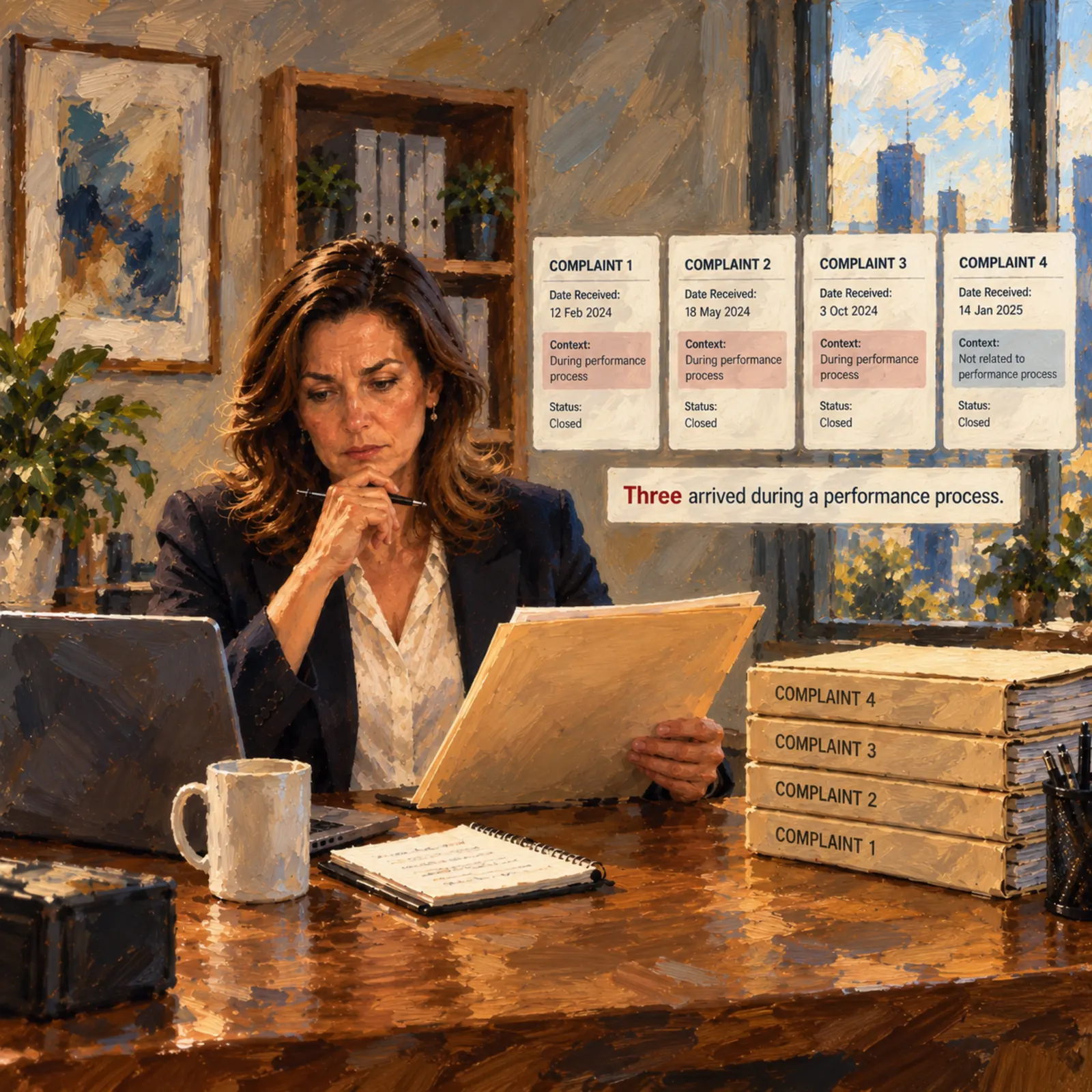
Surveys identify hazards. Courses inform people. Both matter. Neither shows that anything was done.
The gap is what a manager actually does in the room, on a Thursday, with someone who is struggling. That's the part The Wise Call is built for.
Every tool is built around the same question: what will you actually say?
Short illustrated lessons, each built on one real workplace moment. Browse every lesson free, and sign in when you want your progress kept.
Reflective coaching on psychosocial safety, in your own words. Pick the scenario closest to yours, or just start talking.
A written back-and-forth, one skill and one scenario at a time, so you can try the words before you need them.
Real-time voice, push to talk, with a partner who responds naturally. Say it out loud once before it counts.
A proper note of the steps you took, handed into your own systems. Not kept by us.
Each one starts with a worry every manager has had. Each one has something that helps.
“Is it even my place to say something?”
Most harm doesn't come from the conversation that went badly. It comes from the one nobody started. The course trains your eye for what the Code calls hazards, before they turn into complaints.
“What do I actually say?”
Talk it through with Ollie first, messily, in your own words. Work out what you're really trying to say, and what you're worried they'll say back.
“What if it goes badly?”
Rehearse it before it counts. Ollie plays the other person; you say what you would actually say. Type it, or say it out loud.
“Did I do enough?”
A clear note of what was raised, what you did and what happens next. It's yours, and it goes into your own systems.

Ollie is there for the person having the hard conversation. Not to judge it, and not to report on it. To help you get it straight in your head, then to play the other person while you practise.
One of my crew has gone quiet. I don't know if it's me, the job or something at home.
Good on you for noticing. That's the bit most people miss. Before we work out what to say, what have you actually seen change?
Our tools are built for the person having the hard conversation, not to monitor them. What a manager practises, prepares and reflects on stays private to them. Always.
Records you create belong to you and go into your own systems. We're built to hand things over, not to hold onto them.
We give managers the knowledge, the support and an easy path to do the right thing. Organisations own their own accountability.
Since 1 July 2026, under section 26A of the Work Health and Safety Act 2011 (NSW), a business must follow an approved code of practice, including Managing Psychosocial Hazards at Work, or show that its own approach is as good or better.
The claims data shows why that matters.
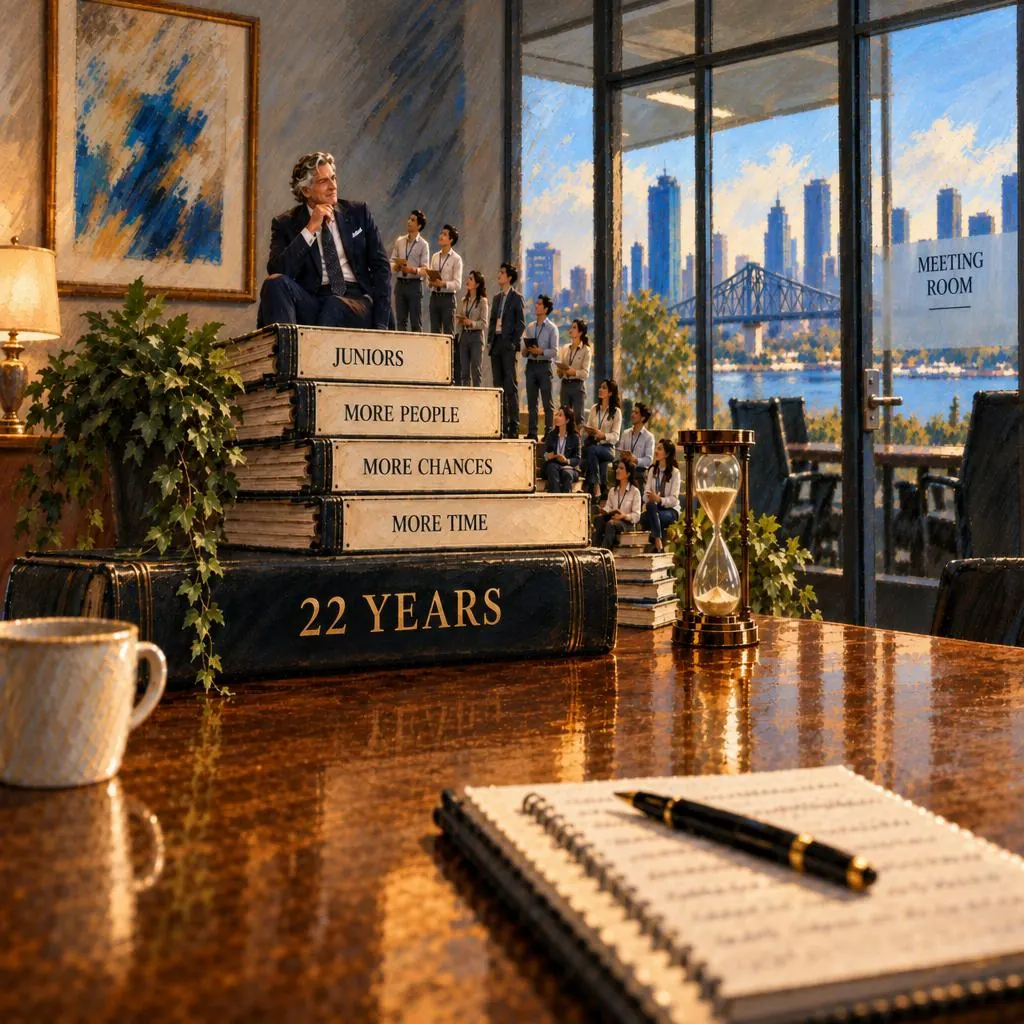
Source: NSW Treasurer, Workers Compensation Ministerial Statement, 18 March 2025.
No account needed to start.
Licences for every manager who carries the conversation.
The organisations with the least capacity to pay often carry the highest psychosocial load.
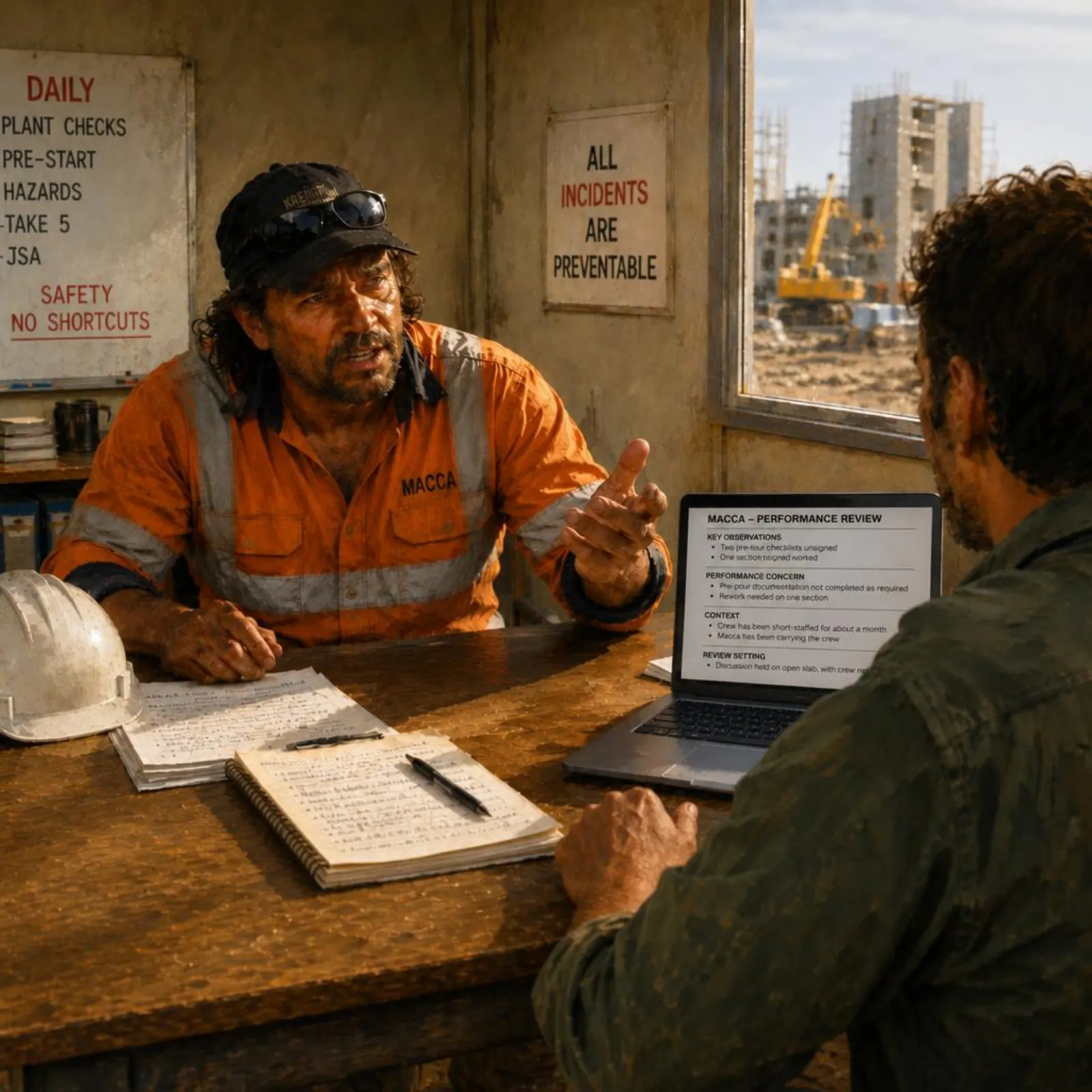
Help them walk in ready. Start with Ollie today, or talk to us about bringing The Wise Call to your managers.